Woman D es After Containing Bacteria By Eating Alfac
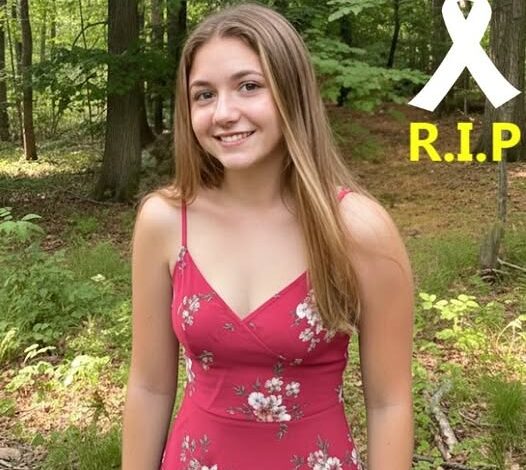
She thought she was doing everything right. A clean diet, organic produce, raw alfalfa sprouts on her plate. Then came the sudden fever, the violent cramps, the terrifying race to the hospital. Within days, a vibrant life was gone—and no one saw it coming.
Her death shattered the illusion that “healthy” automatically means “safe.” Friends remember her as meticulous about what she ate, the kind of person who read labels and chose fresh, organic ingredients. That’s what makes this loss feel so cruel: the very food she believed would nourish her instead carried a microscopic threat that moved faster than doctors could fight it.
Behind the scenes, health officials are dissecting every step of the sprout’s journey—from seed to plate—trying to find where the contamination slipped in. Warm, damp sprouting conditions can turn a single bacterial cell into millions, invisible on a crisp green tangle of sprouts. Her story is now a warning whispered in every kitchen: wash more carefully, cook when in doubt, and never assume a “healthy” food is harmless simply because it looks pure.
The account describes a woman whose food choices were part of a deliberate effort to look after herself. That detail explains the shock felt by her friends. They associated her habits with care and attention, and the illness appeared to contradict what they believed those habits would protect her from. The report gives no name, location, or identified investigation, so the personal story remains limited to the circumstances it describes.
The sequence in the passage moves from eating the sprouts to symptoms, hospital treatment, and death. It presents contamination as the concern being investigated. Establishing where it entered the food’s journey would require more information than the appearance of the finished product. The source itself points to a path from seed to plate, with several stages at which officials would need to understand what happened.
That is different from identifying a specific package or supplier. The account names neither. It does not describe a recall, a test result, or a statement from an agency responsible for the inquiry. Without those details, readers cannot connect the account to a particular product or use it to determine whether something they bought was involved. The general concern described in the passage should not be turned into a claim about an unnamed brand.
The word organic also plays a role in the way the story is told. It describes what the woman preferred to buy and why the outcome felt so unexpected to people who knew her. It does not establish the origin of the contamination. The report supplies no evidence linking a particular growing method or business to the illness. The question remains what happened along the journey of the sprouts in this account.
The loss is described through the memories of friends and the questions left for investigators. Those parts of the story operate on different timelines. Friends are dealing with the death of someone they knew. An investigation would need to assemble records and evidence before explaining the source of the contamination. The passage gives no final finding from that work.
A fuller account would identify the case, the officials investigating it, and any findings that connected the food to the illness. Until that information is available, the story remains a report of a loss attributed to suspected contaminated sprouts, with the precise circumstances and source of contamination still unspecified.