Police find boy missing since 2022 She was n See more
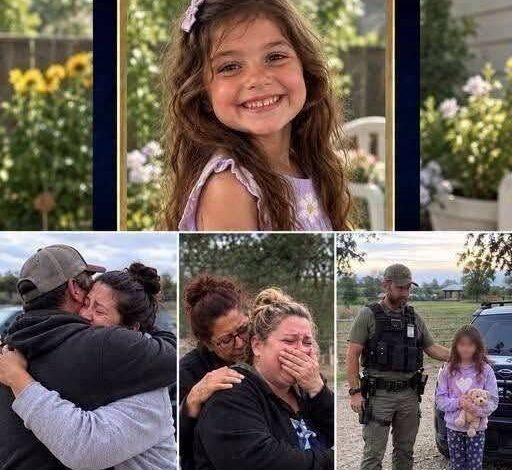
For years, her family feared they would never see her alive again. Then police announced she had been found, turning an unbearable silence into relief shadowed by questions about the conditions she survived.
The reunion brought an end to the waiting, but not to everything this family had suffered. After false leads and sleepless nights, her parents could finally hold their daughter again. Their happiness existed alongside a harder reality: coming back could not erase the time lost or immediately heal whatever wounds she carried. Police described the circumstances of her rescue as “difficult,” leaving much about her disappearance and survival unexplained. For those closest to her, relief now sits beside concern for her recovery.
Investigators are working to reconstruct what happened during her absence, including whether opportunities to find her were missed. Meanwhile, doctors, counselors, and advocates stand ready to support the next stage of her life. That process deserves patience and privacy, not pressure to satisfy public curiosity. Her family finally has the answer it needed most: she is alive. Understanding the rest—and learning how to move forward—will take longer.
A family waiting for someone who has disappeared lives with a question that keeps returning. A possible sighting can bring hope and then another disappointment. A day with no news can feel different from the one before it even though the central uncertainty remains the same. The passage places those years of waiting behind the moment when the parents finally saw their daughter again.
The reunion changes the most urgent question. The family knows she is alive. It does not, by itself, explain where she was or what happened during the missing years. The account describes the circumstances of the rescue as difficult, but supplies no location, date, or further details. That language should remain attributed to the account rather than becoming a basis for imagining specific events in her absence.
Investigators’ work concerns the missing part of that timeline. Reconstructing it may involve understanding where she was seen, how information was handled, and what opportunities existed to locate her. The passage says those questions are being examined. It gives no finding about a missed opportunity or responsibility for one, and it names no person accused of causing her disappearance.
The family’s immediate needs are on a different timetable. They have moved from waiting for news to being able to spend time with her. The report describes support available from doctors, counselors, and advocates, without saying which services she is receiving. It leaves the personal details of her recovery private. That space is especially important when public attention has been focused on the search for a long time.
A person returning after a prolonged absence may also encounter expectations from people who know the case through reports. The account asks for patience rather than an immediate public explanation. Her family’s relief does not create an obligation for her to answer every question raised by the story. The investigation and her own decisions about what to share can proceed at different speeds.
The passage supplies an ending to the search but leaves much of the wider story open. It gives no basis for identifying the causes of her disappearance or describing what she survived. The established point within the account is the reunion. The next chapter concerns the family’s time together and the continuing effort to understand the years they lost.