Abdul El Sayed Delivers Pointed Remark After Reported Michigan Senate Victory
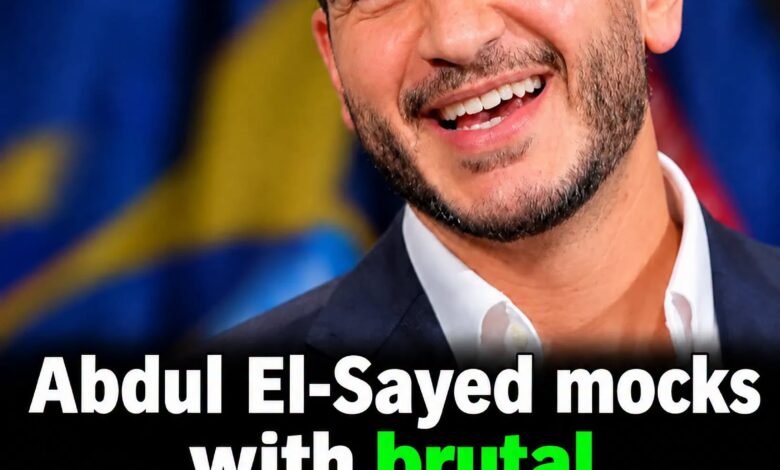
The reported victory came with a pointed rebuke for Donald Trump. After a campaign marked by attacks on his faith and name, Abdul El-Sayed reportedly claimed Michigan’s Senate seat and delivered a personal response.
According to the report, physician Abdul El-Sayed, 42, defeated Republican Mike Rogers in Michigan’s Senate race, becoming the first Muslim elected to the U.S. Senate. Addressing supporters Tuesday night, he thanked voters who had opened their homes, churches, and synagogues to his campaign. His remarks followed a bitter contest in which Trump reportedly targeted his faith and mocked his name. El-Sayed’s answer centered on inclusion: “We know that America is big enough for all of us.”
Then came the sharper response. El-Sayed addressed Vice President JD Vance, highlighting the prospect of being sworn in in January, before turning directly to Trump. “Donald, I know you struggled with my name. So after JD swears me in in January, you can just go on and call me ‘Senator,’” he said. The remark tied his electoral victory to the identity-based attacks he had faced. The account reported no immediate response from Trump.
El-Sayed’s response follows the structure of the campaign story in the report. He begins with the people who welcomed him and then addresses the people who attacked him. That movement gives the final line its setting. The reference to being called “Senator” presents the reported result as an answer to the mockery of his name, bringing his campaign’s argument about belonging into a short exchange directed at Trump.
The thanks to people who opened homes, churches, and synagogues also forms part of that answer. It describes the campaign through the places where supporters made room for him. The statement that America is big enough for everyone connects those encounters to the identity-based attacks described in the account. The reply is personal, but it draws on the people he had just thanked rather than resting entirely on the insult it answers.
The mention of a future swearing-in gives the remark its forward-looking turn. The passage reports an election result and a speech to supporters, while referring to an event expected in January. Those are different points in the story. The quotation uses the anticipated title to close the argument, but the account does not describe a swearing-in that has already taken place.
The reported lack of an immediate response from Trump leaves the exchange there. It does not establish how Trump later reacted or whether the remark prompted any change in the political relationship. The words available are El-Sayed’s, delivered to his supporters after the result as described. Their effect within the speech comes from the contrast between the earlier mockery and the title he says he expects to hold.
For readers following the account, the identifying details matter. It names the reported opponent, the state, the office, and the speaker, and it supplies the words at the center of the story. Those details allow the remark to be understood as part of the reported campaign and victory speech. The passage gives no further account of the election process or subsequent official steps. Its focus remains the response El-Sayed delivered and the message of inclusion that preceded it.